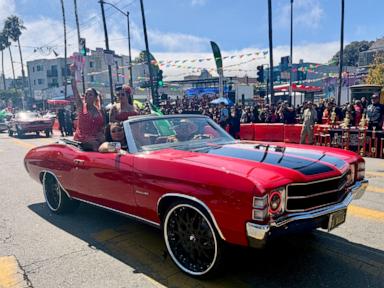
For decades, driving a customized vintage car down Mission Street meant risking police harassment, citations, and outright bans. Today, lowriding is celebrated in San Francisco as a legitimate artistic expression and a vital pillar of Chicano heritage. Let’s be honest about what changed. Society didn't just wake up one day and decide that hydraulically lifted Chevy Impalas looked cool. Communities fought tooth and nail for this recognition.
If you want to understand the real story behind this cultural shift, you have to look past the shiny chrome and the candy-paint finishes. You have to look at decades of resilience, civil rights battles, and community organizing that turned marginalized car clubs into respected cultural institutions.
The Long Road From Criminalization to Cultural Pride
Back in the 1970s and 1980s, local authorities slapped anti-cruising laws onto the books specifically to target Latino neighborhoods. Municipalities claimed these rolling art pieces caused traffic congestion and linked them unfairly to gang activity. It was blatant profiling. While kids on the west side of the city raced muscle cars with impunity, lowrider owners faced heavy-handed police crackdowns and tickets.
Activists like Roberto Hernandez didn't back down. The San Francisco Lowrider Council fought back through federal lawsuits, community mobilization, and sheer persistence. They proved that lowriding wasn't a public nuisance. It was an intricate subculture rooted in craftsmanship, family, and identity.
Fast forward to recent legislative changes across California lifting statewide anti-cruising bans, and you see a massive turning point. Cities that once tried to sweep lowriders off the streets are now hosting official parades, museum exhibits, and community festivals.
What Makes Lowriding True Rolling Art
People often miss the intense labor and engineering required to build a proper lowrider. These aren't just cars bought off a dealership lot. They are customized masterpieces.
- Custom Paint Jobs: Multiple layers of lacquer, intricate flake patterns, and hand-painted pinstripes that take months to complete.
- Hydraulic Systems: Precision setups allowing cars to lift, dip, and dance on command.
- Interior Upholstery: Velour, custom stitching, and specialized steering wheels that match the exterior theme.
Building one of these machines takes years and thousands of dollars. It’s an investment of blood, sweat, and community knowledge passed down from older generations to younger enthusiasts.
The Next Generation Takes the Wheel
Lowriding is no longer an exclusively male-dominated hobby. More women are stepping into the driver's seat, building their own cars, and leading car clubs. This shift brings fresh energy and shatters old stereotypes. Younger builders are also exploring lowrider bicycle clubs, proving that the passion for customization starts long before someone gets a driver's license.
When you see thousands of people lining Mission Street for an official parade, you aren't just watching a car show. You are witnessing living history. The broader recognition happening right now in San Francisco is a testament to a community that refused to be erased.
Support local car clubs, visit cultural arts centers that showcase Chicano history, and appreciate these rolling sculptures for what they truly represent. Stop viewing lowriders as a trend and start recognizing them as American history on four wheels.
