A single vial of blood could theoretically screen for dozens of hidden malignancies before symptoms ever surface. That pitch sounds like a miracle. Recently, US regulators and advisory panels started backing multi-cancer early detection tests like Grail's Galleri test, opening the floodgates for a massive shift in oncology. Yet, medical professionals in Hong Kong are hitting the brakes. They're watching the hype with intense skepticism, arguing that a regulatory nod in the West doesn't automatically mean patients are ready for prime-time screening locally.
If you look past the slick marketing brochures handed out in private hospitals, the math behind these liquid biopsies gets complicated fast. Let's break down why local clinicians are holding back, what the data actually shows, and why throwing money at a multi-cancer blood test might give you false comfort instead of actual protection.
The Promise and Pressure of Liquid Biopsy
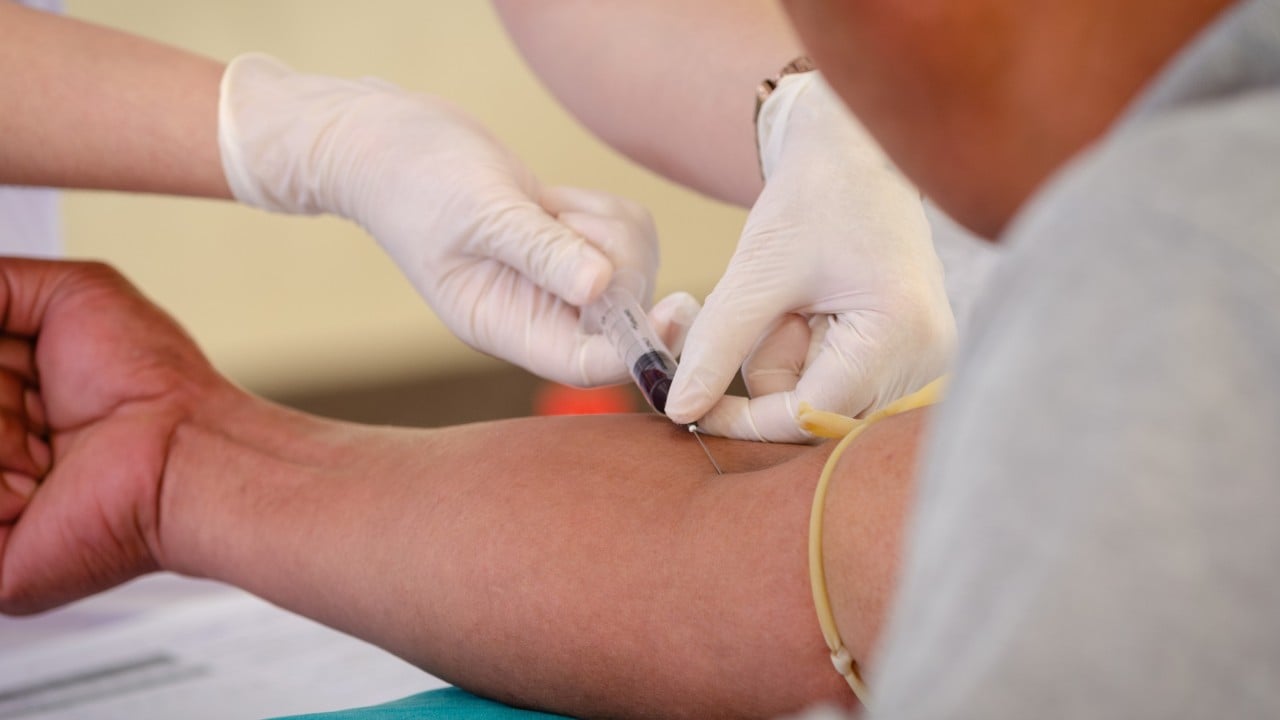
Multi-cancer early detection (MCED) tests use next-generation sequencing to search for circulating tumor DNA or other abnormal molecular markers shed by tumors into the bloodstream. Private healthcare networks in Hong Kong, such as Gleneagles Hospital partnering with providers like Lucence, have rolled out options allowing adults to screen for up to 50 distinct types of cancer from one simple blood draw.
The financial incentives and consumer demand are massive. People are terrified of cancer, and the idea of bypassing invasive colonoscopies or mammograms with a simple lab test is intoxicating. But oncologists know that detecting a molecular trace in the blood is completely different from managing a patient's actual disease outcome.
Why Hong Kong Clinicians Remain Cautious
Hong Kong doctors aren't being stubborn; they're looking at the clinical trial data with a cold, analytical eye. When massive studies—like the NHS-Galleri trial involving over 140,000 participants in England—publish their findings in journals like The New England Journal of Medicine, the results show nuance that press releases tend to gloss over.
- The Endpoint Puzzle: The major trials didn't actually hit their primary endpoints regarding a definitive reduction in late-stage (Stage III and IV) cancer diagnoses over the short term. While fewer Stage IV cancers appeared in some arms, the data isn't a silver bullet.
- The False Sense of Security: A negative test result does not mean you are cancer-free. If a patient relies on a blood test and skips their routine, proven screenings like mammograms or low-dose CT scans, they're taking a dangerous gamble.
- The Diagnostic Odyssey: A positive signal from a multi-cancer test tells you a marker was found, but it doesn't immediately pinpoint the exact tumor location with 100% accuracy. Patients can end up undergoing a frantic battery of expensive, invasive follow-up imaging to find a microscopic lesion that may or may not behave aggressively.
Cost Versus Clinical Reality
In Hong Kong's private medical market, advanced screening packages aren't cheap. Comprehensive panels covering dozens of cancer types can easily run upwards of twenty thousand Hong Kong dollars. Private providers argue these programs ease pressure on public systems and offer personalized risk profiling based on lifestyle and family history.
However, spending a fortune on a test that lacks long-term mortality data misses the point of preventative care. Clinical experts emphasize that a test must sit within a complete care pathway. If a lab result comes back positive or ambiguous, you need a physician who knows how to handle the anxiety and guide the next diagnostic steps without causing undue harm.
What You Should Do Instead
Don't let tech-industry hype dictate your health choices. If you're considering a multi-cancer blood test in Hong Kong, treat it as an optional supplement rather than a replacement for standard diagnostics. Stick to established, evidence-based population screenings for colorectal, breast, and cervical cancers first. Talk to a trusted primary care physician or oncologist about your genuine personal risk factors, and never assume that a clean bill of health from a single tube of blood makes you invincible.