A one-hundred-foot red carpet stretches across the tarmac at Joint Base Andrews. President Donald Trump stands waiting in the crisp autumn air, wearing black leather gloves and a tailored overcoat. When China's President Xi Jinping steps off the plane, Trump does something modern U.S. presidents rarely do. He greets his counterpart personally at the airfield—a rare diplomatic gesture not seen since John F. Kennedy met British Prime Minister Harold Macmillan back in 1962.
If you are wondering why Donald Trump is rolling out the red carpet for China's Xi Jinping during this September 2026 state visit, look past the pomp. Look at the balance of power. The White House wants stability, tech guardrails, and economic breathing room. The optics are grand, but the underlying calculus is entirely pragmatic.
The Optics of Power and Personal Diplomacy
Symbolism matters in high-stakes geopolitics. Trump and Xi are reciprocating a diplomatic cycle that included Trump's state visit to Beijing earlier in May 2026. By welcoming Xi with a massive military arrival ceremony featuring 479 personnel, a multi-aircraft flyover, and a state dinner in the East Wing, Washington is sending a very specific message.
Personal chemistry drives this administration's foreign policy. Trump believes that strong bilateral relationships between top leaders can freeze conflicts before they boil over. Analysts at institutions like the Brookings Institution note that the pageantry forms a huge chunk of the summit's actual substance. It signals a strong, direct working relationship capable of managing deep structural disagreements without sliding into outright military confrontation.
Xi himself leaned into this narrative upon arrival. The Chinese leader called for both superpowers to avoid the historic "Thucydides trap"—the dangerous dynamic where a rising power threatens to displace an established ruling power, often ending in war. By talking up mutual coexistence and proposing student exchanges for 100,000 young Americans, Beijing wants to dial down the immediate friction.
What is Actually on the Table
Ceremony is fine, but concrete issues are driving the closed-door meetings inside the Oval Office.
Artificial intelligence sits near the top of the agenda. Treasury Secretary Scott Bessent and White House advisors have spent days talking with Chinese counterparts about establishing crisis-warning lines for advanced computing incidents. Trump himself noted on social media that AI is central to the discussions, pointing to the Department of Justice and regulatory guardrails as domestic boundaries. Both nations want to avoid accidental escalations in automated cyber operations and algorithmic defense systems.
Trade and economic friction also demand immediate attention. Tariffs remain high, with average U.S. levies on Chinese goods sitting well above 30 percent, and Beijing maintaining reciprocal duties. Yet, practical deals are moving forward. China has agreed to ease certain export restrictions on rare earth materials—critical elements for American electronics and defense manufacturing—while purchasing more U.S. agricultural products.
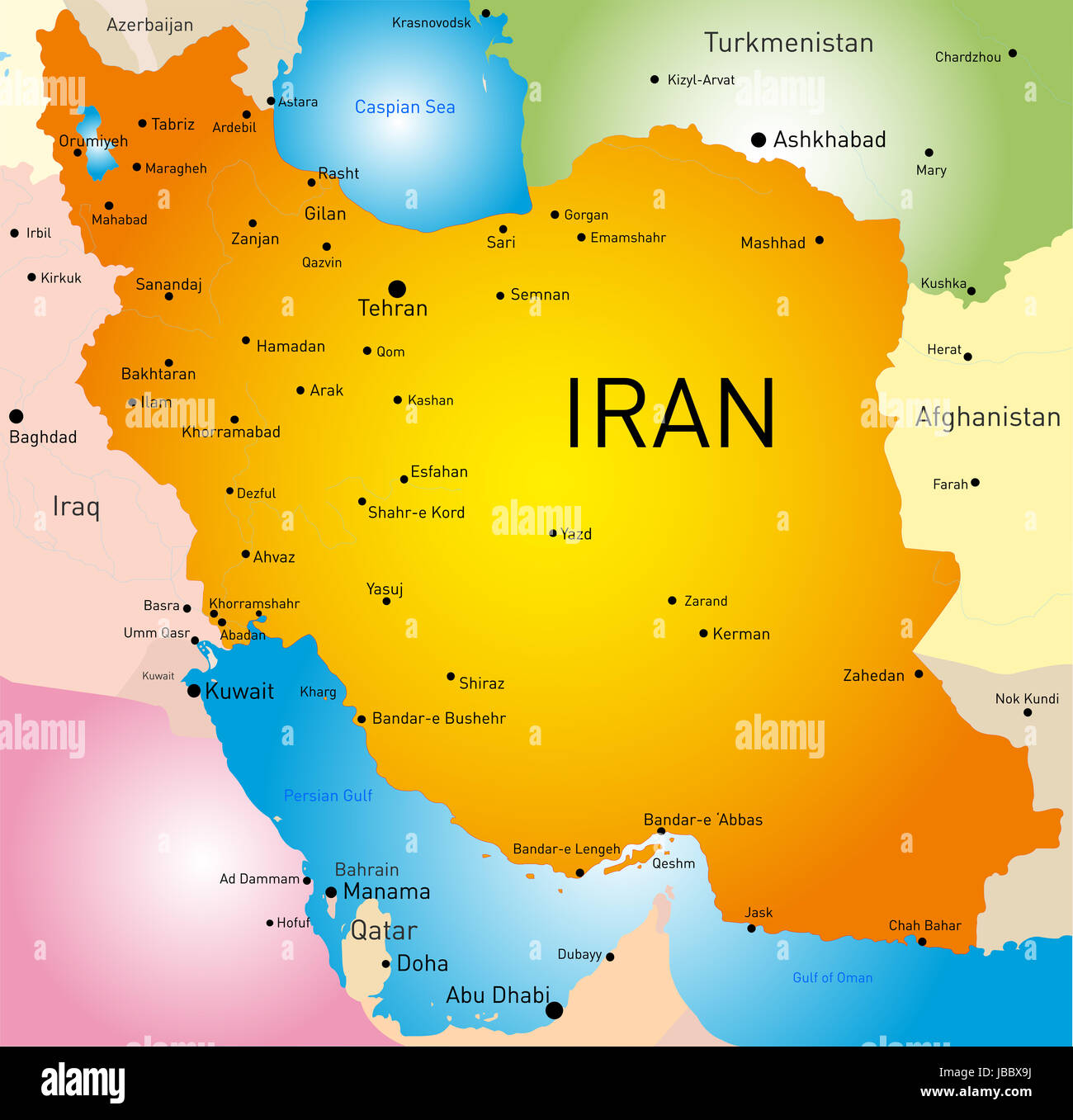
Geopolitics loom large over the dinner tables, too. The ongoing U.S. naval blockade in the Strait of Hormuz has choked off roughly 12 percent of China's oil imports from Iran. Because Beijing is Tehran's primary trading partner, Washington is pushing Xi to use his diplomatic leverage to help broker peace talks in the Middle East. Meanwhile, the status of Taiwan and security architecture across the Indo-Pacific remain constant, tense background fixtures.
Who is in the Room
The guest list for the state dinner tells you everything you need to know about where Washington's priorities lie. Tech titans like Tesla's Elon Musk, Amazon's Jeff Bezos, Google's Sundar Pichai, and Nvidia's Jensen Huang are seated alongside senior administration officials.
You cannot separate great-power competition from corporate supply chains. American executives want market access and predictable regulatory environments, while Beijing wants continued access to Western capital and technology markets without heavy-handed decoupling.
The Reality Behind the Détente
Skeptics point out that a red carpet does not erase deep structural enmity. Cybersecurity battles, export controls on microchips, and regional disputes in the South China Sea remain unresolved. The summit is not a grand peace treaty. It is a management exercise.
Both leaders recognize that total economic decoupling hurts their respective domestic economies too much to sustain. Trump wants a balanced trade relationship and wins for American farmers ahead of domestic milestones, while Xi wants to project economic confidence to an international audience as China navigates its own structural transitions.
The red carpet is not about friendship. It is about building a floor beneath a relationship that could otherwise crash into catastrophe. When two nuclear-armed superpowers lock horns over artificial intelligence, global trade, and regional security, giving each other room to talk is the only rational choice left on the board.
Watch what happens in the months following the summit. The real test of this diplomacy will not be how long the carpet was, but whether the guardrails hold when the next crisis hits.