Presidents don't get to handpick who covers them just because they dislike the coverage. Or at least, that is what the courts keep telling them.
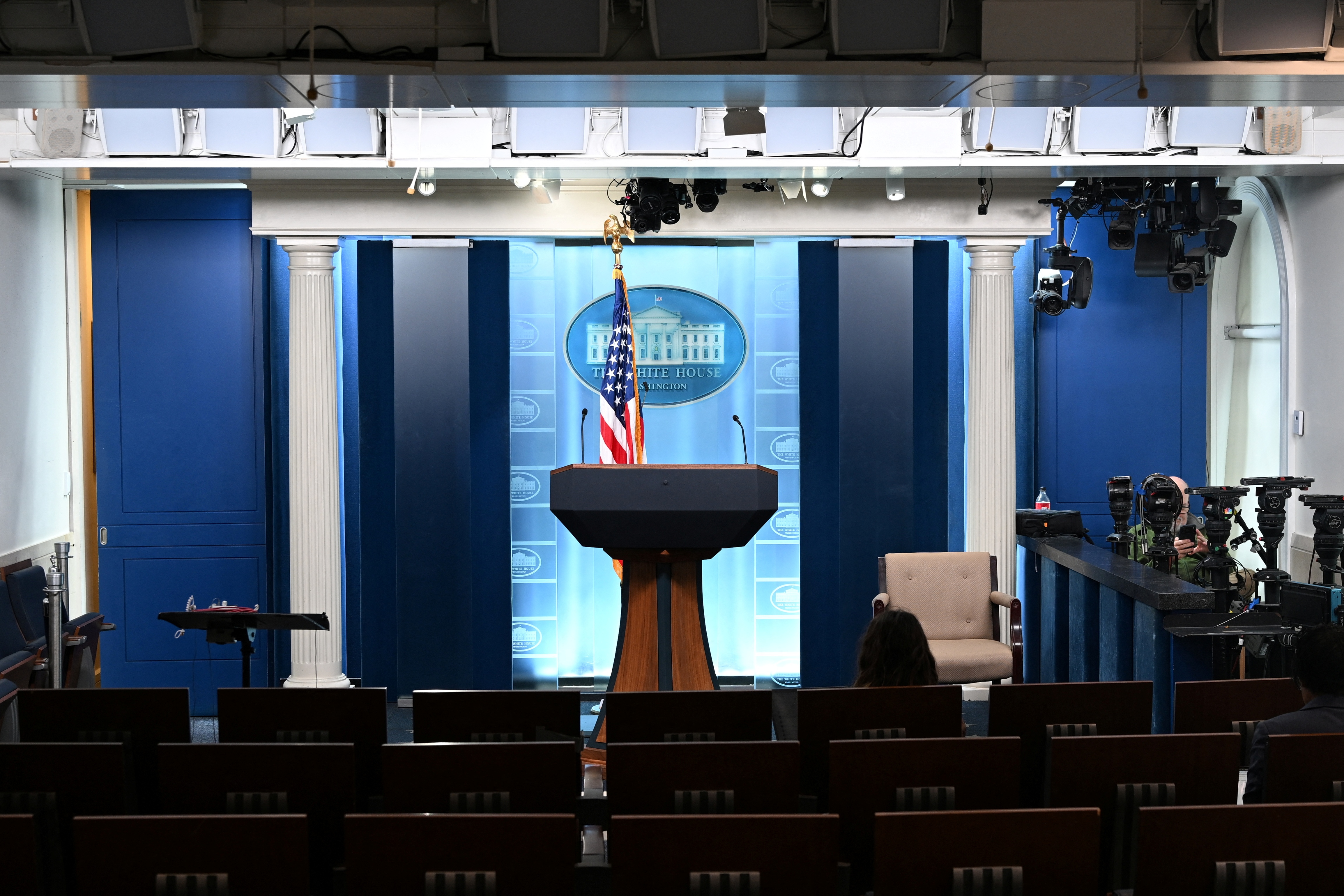
When the Trump administration abruptly revoked the permanent press credentials of reporters from CNN, MS NOW, and Politico, it triggered an immediate constitutional showdown. A federal judge quickly stepped in to halt the ban. U.S. District Judge Timothy J. Kelly issued a temporary restraining order forcing the administration to restore access. Meanwhile, you can find related developments here: Why India’s Cockroach Movement Just Declared War On The Election Chief.
Yet anyone watching media law knows this dispute won't end quietly. The fundamental tug-of-war between presidential authority and the First Amendment remains wide open.
The Due Process Trap the White House Walked Into
If you want to kick journalists off federal grounds, you cannot simply tweet about it or announce it from the briefing room podium. Previous legal precedent makes that clear. To understand the full picture, check out the detailed analysis by NPR.
Back in 1977, a landmark D.C. Circuit ruling established that once the government hands out permanent press passes, those credentials become a protected interest. You cannot take them away without offering due process. That means giving reporters notice, an explanation, and a fair chance to respond.
The Trump administration skipped that step entirely. They pointed to two years of harsh reporting and stated they didn't have to let critical outlets into "the people's house."
That argument sounds great at a campaign rally, but it fails in court. Judge Kelly noted that the media organizations were exceptionally likely to win their claim that they were stripped of their hard passes without adequate due process.
The Pivot to National Security
When the original rationale of "unfair coverage" started looking shaky under legal scrutiny, the Department of Justice shifted gears.
During the emergency court hearings, government lawyers argued that the banned outlets weren't targeted for their opinions. Instead, they claimed these organizations published verifiable falsehoods and sensitive material that jeopardized national security. They pointed to specific stories about internal discussions and infrastructure projects.
Legal experts representing the media pushed right back. They noted that the national security excuse appeared only after the initial ban had already been heavily criticized and sued over.
It looked like an afterthought. Judges tend to spot when an administration invents a post-hoc justification to cover up viewpoint discrimination.
Even so, the national security card gives the executive branch a dangerous loophole to exploit in future rounds of litigation. If an administration can convincingly tie a news organization's reporting to classified leaks or operational safety, the legal landscape shifts dramatically. Courts traditionally give the executive branch massive deference on national security matters.
What Happens When the Restraining Order Expires?
A 14-day temporary restraining order is just a temporary fix. It gets reporters back into the building so they can do their jobs today, but it does not settle the underlying constitutional questions.
The administration can still appeal, modify its approach, or try a different administrative mechanism to restrict access. We saw a preview of this playbook when the Associated Press faced pressure and restrictions previously.
Administrations learn from their courtroom losses. If they want to bar specific reporters tomorrow, they will likely spend weeks building a paper trail of alleged security infractions rather than relying on blunt statements about fake news.
The fight over White House press access isn't just about three media companies. It sets a dangerous precedent for every reporter holding a hard pass. Keep watching how the government handles procedural rules, because the next restriction won't look like a ban. It will look like red tape.