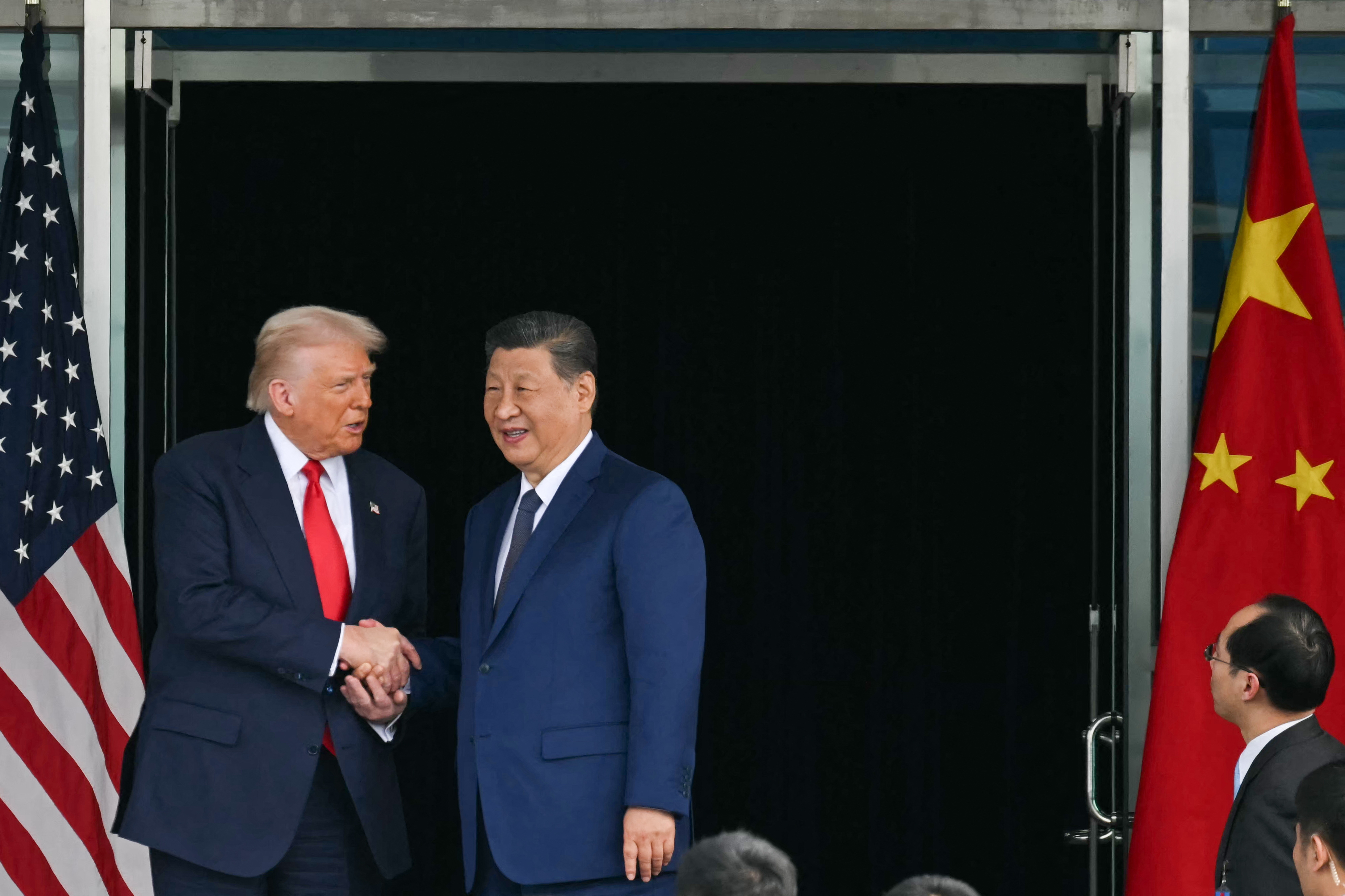
Red carpets, 479 military personnel, a multi-aircraft flyover, and two pandas heading to the Atlanta Zoo. That is how you put on a show. But behind the handshakes and grand optics of the September 2026 Washington summit, Donald Trump and Xi Jinping managed to sidestep every major geopolitical trap threatening a global economic breakdown.
If you are trying to figure out what actually changed between the United States and China during this high-stakes meeting, the short answer is: very little. Both leaders walked away with the television clips they needed for domestic consumption. Trump secured a friendly stage a month out from the midterms, while Xi checked off another box in his ongoing effort to project international prestige before returning to domestic political pressures in Beijing.
Beneath the warm rhetoric, the underlying friction points remain entirely intact. Let us look at what actually happened behind closed doors, what got swept under the rug, and why you should not buy into the artificial optimism.
The Performance of Peace
You cannot understand modern superpower diplomacy without looking at the theater. When Xi Jinping touched down at Joint Base Andrews, Trump did something rare, personally greeting the Chinese leader on the tarmac. By the time they reached the White House Rose Garden, the tone was dripping with mutual admiration. Trump declared a "truly great friendship," while Xi invoked World War II alliances and warned against the perils of the Thucydides trap.
Xi brought out the classic diplomatic playbook. He offered student exchange olive branches, promising to bring 100,000 young Americans to China over the next five years. He promised fair treatment for American corporations. He talked about "strategic stability," a phrase meant to soothe nervous markets that have watched bilateral relations bounce between tariff wars and fragile truces.
It sounds great. It plays well on the evening news. But diplomacy built on photo ops usually collapses the moment real leverage is tested.
The Trade Truce That Solves Nothing
Economics always dictates how far these summits can go. Treasury Secretary Scott Bessent and trade officials spent the weekend hammering out an extension for the trade truce initially struck in Busan last year. Tariffs that spiked past 100% during the worst points of the trade war have scaled down, but they have not disappeared.
Data from the Congressional Research Service puts the average U.S. tariff rate on Chinese goods hovering above 36%, with China maintaining roughly 30% on American exports. Economists expected a one-year extension on the current truce, and that is basically what they got. It prevents immediate disaster, but it leaves businesses trapped in a permanent state of high costs.
China continues to control vital rare earth chokepoints, and Washington continues to clamp down on tech transfers. Extending a truce is not a permanent peace treaty. It is just kicking the can down the road until the next crisis forces a reckoning.
Artificial Intelligence and the Digital Cold War
Artificial intelligence dominated the private agenda, and it proved to be a masterclass in talking past each other. Trump posted on Truth Social that AI would be a massive topic, noting his preference to "leave it exactly where it is" with guardrails handled by the Department of Justice. Xi echoed the sentiment that AI must remain under human control.
Yet, a real regulatory chasm divides the two superpowers. When tech figures like Anthropic CEO Dario Amodei push for strict international pacing on frontier models, Beijing dismisses it as protectionism designed to strangle Chinese innovation. Meanwhile, tech giants like Tesla's Elon Musk, Amazon's Jeff Bezos, Google's Sundar Pichai, and Nvidia's Jensen Huang attended the state dinner, hoping to protect their supply chains and market access.
Washington wants to box in China's technological rise. China wants unrestricted access to global chips and markets. A polite afternoon chat in the East Room will not bridge that fundamental contradiction.
The Shadow of Iran and Geopolitics
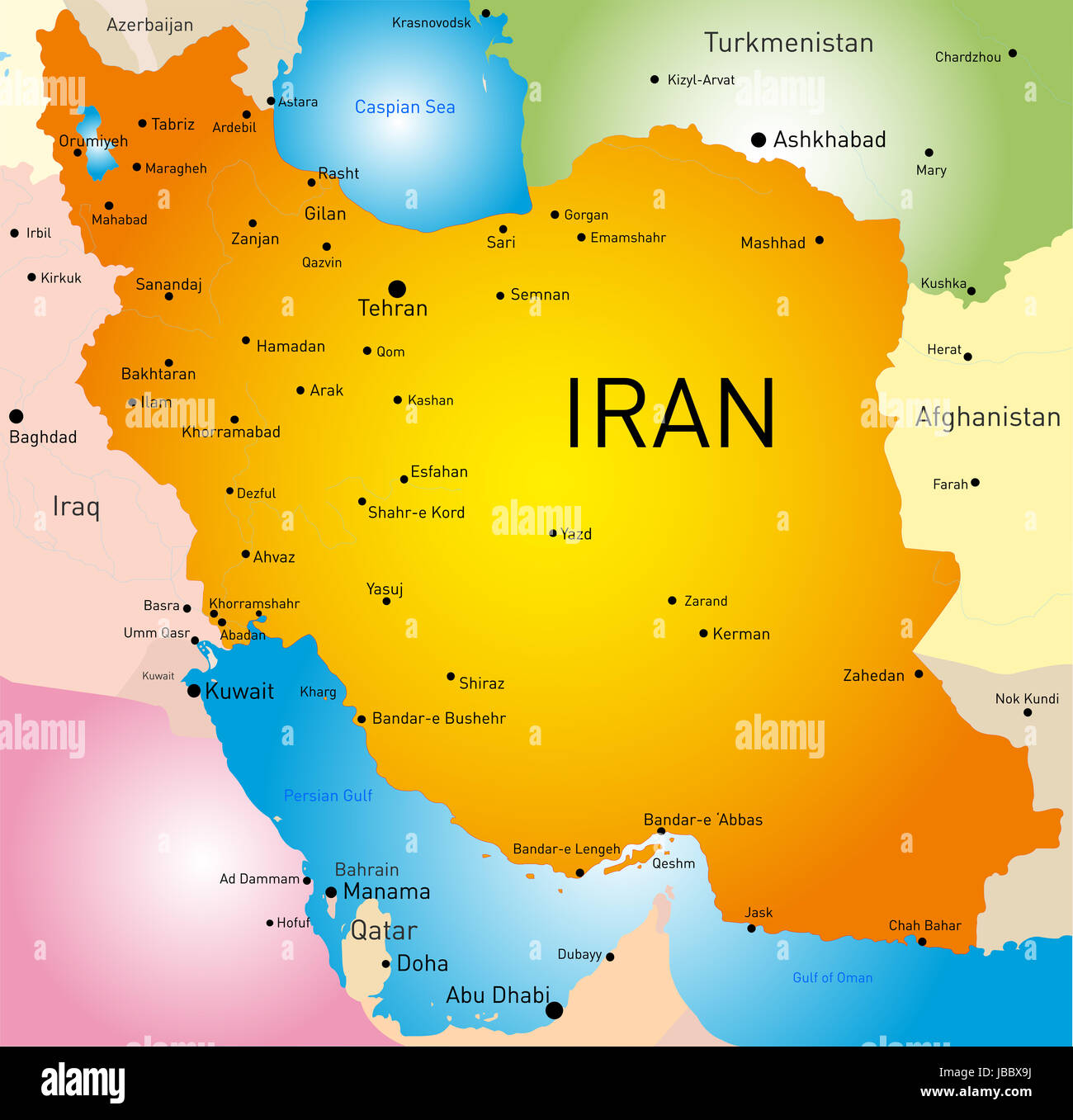
Trade and tech are only half the battle. The broader security landscape is flashing red. The United States continues its naval blockade on Iranian ports in the Strait of Hormuz, cutting off a massive chunk of China's oil imports. China remains Tehran's largest trading partner.
Analysts predicted Trump would lean on Xi to act as a peace broker with Iran. But expecting Beijing to clean up a regional conflict engineered by Washington's maximum pressure campaign ignores how China plays the game. Beijing prefers to sit back, maintain economic leverage, and let others absorb the military risks.
What You Should Do Next
If you run a business or manage investments exposed to global supply chains, do not change your strategy based on a handful of polite quotes from the White House lawn.
- Assume tariffs are here to stay: Do not model your financial forecasts on a sudden return to pre-2018 trade norms.
- Diversify your tech dependencies: Relying on single-source suppliers for rare earths or advanced hardware is a vulnerability that no summit communique can fix.
- Watch the regulatory space: AI compliance and export controls will continue to tighten regardless of what leaders say in public ceremonies.
The summit bought everyone some time. It did not solve the structural collision course between two rival superpowers. Keep your guard up.