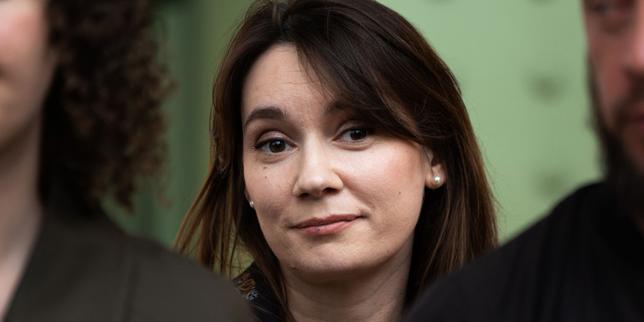
The European Union just made its stance on state-backed media interference crystal clear. By slapping travel bans and asset freezes on Xenia Fedorova, Brussels isn't just targeting an individual; it's drawing a hard line against foreign influence campaigns operating inside member states. If you've been following how European media regulators handle pro-Kremlin commentators, this escalation was only a matter of time.
Fedorova isn't just any media figure. As the former head of RT France, she spent years directing state-aligned broadcasts before the network was shut down. Instead of retreating from the public eye, she transitioned into a regular commentator for prominent conservative French outlets owned by billionaire Vincent Bolloré, including CNews and Le Journal du Dimanche. That pivot gave her a mainstream microphone, allowing her to keep pushing narratives directly tied to Moscow's foreign policy goals long after her original platform collapsed.
French authorities initially moved against her over the summer, issuing an expulsion order and freezing her domestic assets for six months. Officials pointed to her activities as a direct threat to public order and a conduit for foreign disinformation. When her legal team fought back, local courts upheld the state's decision, making it clear that free speech protections don't extend to shielding foreign state operations designed to destabilize domestic democratic institutions.
Yet, national action wasn't enough to stop her reach. Even after leaving France—operating from abroad—she continued to pen columns and commentary, prompting French ministers to warn broadcasters that airing her work could trigger criminal liabilities. Recognizing that a national ban had gaping holes in an integrated economic zone, the European Union stepped in to elevate these restrictions across all twenty-seven member states.
The messaging from French Foreign Minister Jean-Noël Barrot was blunt. Hostile actions against European democracies will carry heavy consequences. Critics, including Fedorova herself, cry censorship, framing the penalties as a panicked crackdown on dissenting political opinions. But EU officials counter that this isn't about silencing unpopular thoughts. It's about national security hygiene. When a foreign state funds and orchestrates narratives to fracture domestic trust during an active war on the continent, governments lose patience with the legal loopholes that let media operatives keep broadcasting.
Expect other high-profile commentators with ties to state-controlled foreign networks to face similar scrutiny. Brussels has signaled a new era of enforcement where cross-border travel bans and financial freezes become standard defensive tools against hybrid warfare. The days of treating foreign information manipulation as harmless opinion writing are officially over.