Field trips are supposed to be the highlight of the elementary school calendar. Students look forward to escaping the four walls of a classroom, trading textbooks for fresh air and hands-on learning. But a routine outing turned into an unthinkable nightmare in Iowa, leaving an entire community shattered and raising urgent questions about safety protocols during outdoor educational excursions.
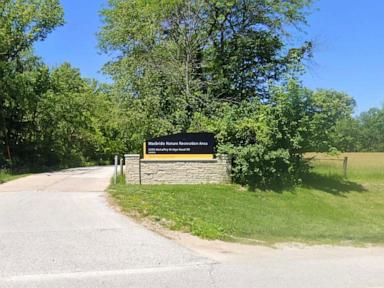
Hannah Jorgensen, a 24-year-old fifth-grade teacher at Borlaug Elementary School, and 10-year-old student Ahmed Osman tragically lost their lives following a drowning incident during a school field trip. The outing took place at the Macbride Nature Recreation Area near the Coralville Reservoir, a popular spot for environmental programs like the University of Iowa's School of the Wild. What was intended to be an enriching day of experiential science quickly transformed into a massive multi-agency emergency response, stunning educators, parents, and communities across the nation. You might also find this connected story insightful: Why India Is Demanding Real Action On Climate Finance And Zero Tolerance For Terror.
How the Tragedy Unfolded at Lake Macbride
Emergency dispatchers received a frantic call at approximately 12:10 p.m. on a Tuesday, reporting individuals in distress in the water near the Coralville Reservoir spillway. First responders rushed to the scene at Lake Macbride State Park, battling heavy water currents and tense conditions.
At 12:43 p.m., rescue crews recovered an adult victim from the reservoir. Authorities later identified her as Hannah Jorgensen, who was pronounced dead at the scene. As reported in recent reports by USA Today, the implications are worth noting.
What followed was an agonizing multi-day search for the missing child. Crews searched the waters through Tuesday evening before darkness forced them to suspend recovery operations overnight. The search resumed early Wednesday morning with assistance from local and state law enforcement agencies. At roughly 1:24 p.m. on Wednesday, recovery teams located and pulled the body of 10-year-old Ahmed Osman from the water.
The Johnson County Sheriff's Office launched a formal investigation to determine the exact sequence of events that led both the teacher and student into the water near the spillway. While investigators continue piecing together the details, the sheer speed at which the situation deteriorated highlights the invisible hazards present even in designated, supervised natural areas.
The Immediate Fallout for School Districts and Outdoor Learning
The ripple effects of this catastrophe were immediate and severe. The Iowa City Community School District released emotional statements honoring both victims as cherished members of their school community. Borlaug Elementary opened its doors with grief counselors and specialized support staff on hand to help traumatized students, teachers, and families navigate the shock.
In response to the tragedy, sweeping cancellations followed swiftly:
- All upcoming School of the Wild field trips were canceled indefinitely by the Iowa City Community School District.
- The University of Iowa temporarily suspended the outdoor education program entirely.
- The local school board canceled its scheduled meeting to focus resources entirely on crisis support and family outreach.
State leaders, including Iowa Governor Kim Reynolds, issued public statements expressing deep sorrow and standing in solidarity with the grieving Borlaug Elementary community.
Examining the Hidden Risks of Nature Recreation Areas
Outdoor education programs provide invaluable benefits, connecting kids to ecology, biology, and the physical environment in ways a computer screen never could. Programs like the School of the Wild are staples across many states, designed to foster appreciation for local ecosystems.
However, natural water bodies, reservoirs, and spillways present unique, unpredictable risks. Water currents near dam spillways can shift without warning. Underwater drop-offs, murky visibility, and cold temperatures can overwhelm even strong swimmers in seconds. When large groups of ten-year-olds explore open-air spaces near deep water, the margin for error is razor-thin.
School administrators and program directors now face intense scrutiny regarding safety ratios, water proximity guidelines, and emergency action plans. While investigations will take time to deliver official conclusions, districts nationwide are re-evaluating whether high-risk zones should be completely cordoned off during student excursions.
Moving Forward After an Unimaginable Loss
Communities grieving a sudden loss need more than empty platitudes; they need systemic reflection. Parents sending their children to school every morning trust that safety protocols are ironclad. When those safeguards fail, the emotional toll on surviving classmates, teachers, and families is permanent.
If your local school district participates in outdoor or water-adjacent field trips, now is the time to ask hard questions. Review chaperone-to-student ratios, check the exact proximity of planned activities to open water, and demand clear transparency on emergency protocols. Honor the memories of Hannah Jorgensen and Ahmed Osman by ensuring every possible precaution is taken to protect children and educators in the field.